
Description
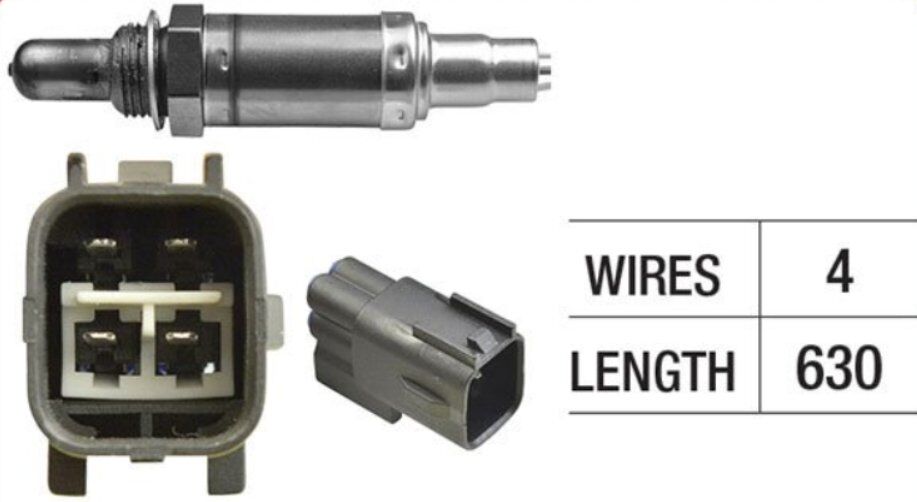
Maintain the engine management and emissions-control performance of your vehicle with the OX765 Oxygen Sensor, listed for selected 2012–2018 Hyundai Santa Fe Active DM models equipped with a 2.4-litre, 16-valve inline four-cylinder petrol engine. Designed as a replacement option for compatible applications, this sensor helps monitor oxygen levels in the exhaust gases and provides information that the engine control unit (ECU) uses to regulate engine operation.
An oxygen sensor, also known as a lambda sensor, is an important component of the vehicle’s electronic fuel-injection system. It measures the oxygen content in the exhaust stream and sends readings to the ECU, helping the system adjust the air-fuel mixture and manage emissions. When the original sensor becomes worn, contaminated or faulty, its readings may become inaccurate or slow to respond, potentially affecting fuel control, emissions performance and drivability.
The OX765 product code helps identify this listing when searching for a replacement sensor for a compatible Hyundai Santa Fe. Because the Santa Fe DM range can use different sensors depending on engine specification, emissions configuration and installation position, it is important to confirm the exact application before purchasing.
Vehicle Compatibility
The supplied listing details are as follows:
- Product: Oxygen Sensor
- Product Code: OX765
- Vehicle Make: Hyundai
- Vehicle Model: Santa Fe Active DM
- Vehicle Reference: ST81B
- Listed Model Years: 2012–2018
- Engine Capacity: 2.4 litres
- Engine Configuration: Inline four-cylinder (I4)
- Valve Configuration: 16-valve
- Body Style Supplied: 4-door
- Fuel Type: Petrol
The Santa Fe DM 2.4-litre range includes different engine and emissions configurations. Catalogues distinguish between variants such as the G4KE 2.4 CCVT and G4KJ 2.4 GDI, and oxygen sensors can differ between these applications. The supplied ST81B reference should therefore be checked against the vehicle identification number (VIN), engine code and original equipment part number before ordering.
What Does an Oxygen Sensor Do?
The oxygen sensor helps the ECU understand how much oxygen remains in the exhaust gases after combustion. This feedback assists the engine management system in adjusting fuel delivery to maintain suitable operating conditions.
Depending on the exhaust design, a vehicle may have several oxygen sensors serving different purposes:
Upstream sensor: Usually located before the catalytic converter, it helps regulate the engine’s air-fuel mixture.
Downstream sensor: Usually positioned after the catalytic converter, it helps monitor catalytic converter efficiency and emissions-system performance.
These sensors may have different signal characteristics, wiring arrangements and connector designs. A sensor intended for one position is not necessarily suitable for another. For the Hyundai Santa Fe 2.4-litre engine, confirming the correct location is essential before fitting the OX765.
Key Product Benefits
- Engine management feedback: Helps provide exhaust oxygen information to the ECU when correctly specified and operating properly.
- Air-fuel mixture support: Contributes to appropriate fuel adjustments under normal engine management conditions.
- Emissions monitoring: Supports the operation of the emissions-control system when installed in the correct location.
- Replacement option: Provides a potential replacement when testing confirms that the original oxygen sensor is defective.
- Application identification: The OX765 code makes it easier to identify this listing when comparing replacement parts.
- Maintenance support: A correctly matched replacement may help restore intended sensor feedback and normal engine management operation.
Actual results depend on the vehicle’s overall condition and the cause of the fault. Replacing an oxygen sensor will not resolve unrelated problems such as damaged wiring, vacuum leaks, ignition faults, exhaust leaks or fuel-system issues.
Common Signs of Oxygen Sensor Failure
An ageing or malfunctioning oxygen sensor may contribute to several symptoms, including:
- The check engine warning light illuminating.
- Increased fuel consumption.
- Rough or unstable idling.
- Hesitation during acceleration.
- Inconsistent engine response.
- An emissions test failure.
- Diagnostic trouble codes related to oxygen sensor signals, heater circuits or air-fuel mixture control.
These symptoms can also be caused by other components. A warning light alone does not confirm that the oxygen sensor has failed. A diagnostic scan, inspection of the wiring and connectors, and examination of live sensor data can help identify the underlying problem before replacement.
Installation Guidelines
Correct installation is important for reliable operation and accurate sensor readings. Allow the exhaust system to cool completely before beginning work, as exhaust pipes and catalytic converters can remain extremely hot after the engine has been switched off.
Before installing the OX765, follow these general checks:
- Compare the replacement sensor with the original component.
- Confirm the engine code, production date and original equipment part number.
- Identify the required sensor position, including upstream or downstream location.
- Check the electrical connector, number of wires, cable length and mounting thread.
- Inspect the wiring harness for corrosion, damaged insulation or heat exposure.
- Install the sensor according to the manufacturer’s service instructions and tightening specifications.
- Route the wiring away from hot exhaust parts and moving components.
- Clear diagnostic codes when appropriate and verify operation using a suitable diagnostic procedure.
Avoid pulling on the sensor wires or twisting the cable during installation. Use anti-seize compound or other thread products only when permitted by the sensor manufacturer’s instructions, as unsuitable products may contaminate the sensing element.
Professional installation is recommended if access is difficult or the cause of the original fault is uncertain.
Compatibility Checklist Before Purchase
To reduce the risk of ordering an incompatible sensor, confirm:
- Vehicle identification number (VIN).
- Exact Santa Fe DM model and production date.
- Engine code and engine capacity.
- Original equipment oxygen sensor part number.
- Required sensor position and bank, if applicable.
- Connector shape and number of wires.
- Cable length and mounting thread.
- Emissions specification for the vehicle’s market.
Do not rely on the model year and engine capacity alone. The 2.4-litre Santa Fe DM range includes multiple sensor applications, with catalogues distinguishing between upstream regulating sensors and downstream diagnostic sensors.
Conclusion
The OX765 Oxygen Sensor is listed for selected 2012–2018 Hyundai Santa Fe Active DM applications with a 2.4-litre inline four-cylinder, 16-valve petrol engine. As part of the engine management and emissions-control system, a correctly matched oxygen sensor helps provide the ECU with exhaust oxygen information used for fuel control and emissions monitoring.
Before purchasing, verify the vehicle’s engine code, original equipment part number, connector and required sensor location. When diagnosis confirms that the existing sensor is faulty, choosing the correct replacement can help restore the intended feedback function and support normal engine management performance.


Reviews
There are no reviews yet.