
Description
The POLYRIB BELT FITS CITROEN BERLINGO HDi 2011-2019 3 DOOR 1.6 LITRE I4 8V 6PK1020 is designed for compatible Citroen Berlingo diesel applications. This multi-rib accessory drive belt is an important part of the engine’s auxiliary system, helping transfer rotational power from the crankshaft pulley to the accessories specified by the vehicle’s belt layout. A correctly matched belt supports reliable operation, smooth power transmission and consistent performance from the components it drives.
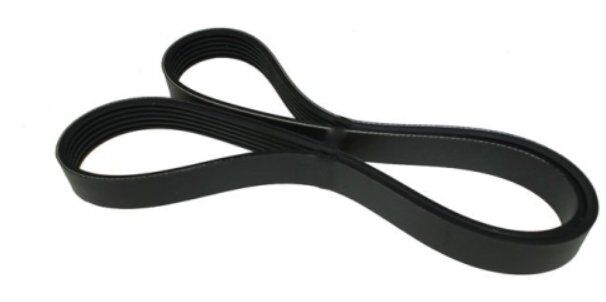
Manufactured in a continuous loop, a polyrib belt features multiple longitudinal ribs along its inner surface. These ribs engage with matching grooves in the pulleys, providing a broad contact area and helping maintain effective grip during operation. The 6PK1020 specification identifies a six-rib belt with a nominal length of approximately 1,020 mm. Correct belt dimensions and rib alignment are essential for suitable installation and operation.
Vehicle Compatibility
This listing is intended for the following vehicle application:
- Make: Citroen
- Model: Berlingo HDi
- Model years: 2011–2019
- Body style: 3 Door
- Engine capacity: 1.6 Litre
- Engine configuration: Inline 4-cylinder (I4)
- Valve configuration: 8V
- Belt specification: 6PK1020
The 1.6-litre HDi engine was offered in different configurations during the Berlingo’s production period. Engine codes, production dates, emissions equipment, air-conditioning systems and start-stop technology can affect the auxiliary belt arrangement. The 6PK1020 specification is listed for selected 1.6 HDi applications, including certain start-stop-equipped vehicles. It should not be assumed to fit every Berlingo HDi from 2011 to 2019 without checking the exact vehicle details.
Understanding the 6PK1020 Specification
The belt code provides useful information about its dimensions. The number 6 indicates six longitudinal ribs, while PK identifies the ribbed automotive belt profile. The number 1020 represents a nominal belt length of approximately 1,020 millimetres.
These measurements are important because the belt must match the pulley grooves and the routing arrangement specified for the engine. A belt that is too long may not maintain the required tension, while one that is too short may be difficult to install or place excessive load on the tensioner and accessory bearings.
The six ribs distribute driving force across the pulley contact surface. When correctly installed, they help the belt transfer power while reducing the likelihood of slipping under normal operating conditions.
Function of the Polyrib Belt
The auxiliary belt operates whenever the engine is running. Depending on the particular Berlingo engine configuration, it may drive the alternator and other belt-driven accessories. The alternator generates electrical power and replenishes the battery while the vehicle is operating. Other components may be driven through separate belts or a different routing arrangement, depending on the engine and equipment fitted.
A properly functioning belt helps maintain the accessory system’s operation. If the belt becomes worn, damaged, loose or incorrectly tensioned, accessory performance may be affected. In some circumstances, belt failure can cause charging problems or leave the vehicle unable to continue operating normally.
Construction and Design Features
A quality automotive polyrib belt is made from flexible, durable rubber compounds and reinforced internal materials designed to withstand repeated bending and tension. Its construction needs to accommodate continuous movement around pulleys, changing engine speeds and the heat generated within the engine compartment.
The ribbed inner surface is shaped to engage with the corresponding pulley grooves. This design provides effective contact across the belt width and helps maintain stable power transmission. The flexible construction also allows the belt to travel around pulleys of different diameters while following the specified routing path.
Correct material selection is important for resistance to normal operating heat, wear and ageing. Nevertheless, all rubber drive belts are subject to deterioration over time and should be inspected as part of routine vehicle maintenance.
Signs Your Existing Belt May Need Replacement
A worn auxiliary belt may show several warning signs. Drivers and technicians should look for:
- Cracks, splits or visible deterioration along the belt surface.
- Missing, damaged or unevenly worn ribs.
- Frayed edges or exposed reinforcement material.
- Squealing or chirping noises from the engine bay.
- Visible belt movement or vibration caused by a tensioning problem.
- Battery warning lights or charging-system issues.
- A belt that appears glazed, contaminated or excessively worn.
These symptoms do not always mean the belt itself is the only faulty component. A worn tensioner, damaged pulley, misalignment or accessory bearing problem may also contribute to belt noise or premature wear. The complete drive system should be inspected before replacement.
Benefits of Correct Belt Selection
Choosing the correct 6PK1020 belt helps ensure that the rib profile, length and pulley engagement match the intended application. A suitable belt can support consistent accessory operation, reduce unwanted belt movement and help prevent problems associated with incorrect dimensions.
Replacing a deteriorated belt at the appropriate time is also a practical preventative maintenance measure. It can help reduce the risk of unexpected belt failure and provide an opportunity to inspect the surrounding pulleys, tensioner and accessory components.
Installation Recommendations
Installation should be performed by a suitably qualified mechanic or an experienced technician familiar with the Citroen Berlingo 1.6 HDi engine. Before removing the existing belt, the technician should identify its routing and confirm the correct replacement specification.
The pulleys should inspect for damage, contamination, misalignment and excessive wear. The tensioner should also check for smooth movement and correct operation. The replacement belt must sit evenly in every pulley groove, with no ribs incorrectly positioned or hanging over the pulley edges.
Where the vehicle uses a start-stop system or a specialised belt arrangement, the appropriate installation procedure and tools should be followed. Never force a belt onto a pulley or attempt to compensate for an incorrect belt length by altering the tensioner position.
Maintenance and Fitment Advice
Regular inspection can help identify belt deterioration before it develops into a more serious problem. The belt should check during scheduled servicing and whenever unusual noises or charging-system warnings occur. Oil, coolant and other fluid contamination should address promptly because these substances can damage belt materials.
Before ordering, compare the 6PK1020 specification with the original belt marking and confirm the engine code, production date, start-stop system and accessory configuration. Also check whether the vehicle requires a belt for the alternator alone or a particular accessory arrangement. Some applications may use different belt lengths depending on equipment.
Important Fitment Information
This product listing intends for compatible Citroen Berlingo HDi 1.6-litre I4 8V vehicles from 2011 to 2019. However, model year and engine capacity alone cannot guarantee fitment across every vehicle variant. Please verify the VIN, engine code, original equipment reference and belt dimensions before purchase.
Conclusion
The POLYRIB BELT FITS CITROEN BERLINGO HDi 2011-2019 3 DOOR 1.6 LITRE I4 8V 6PK1020 is a replacement accessory drive belt option for selected compatible applications. Its six-rib profile and nominal 1,020 mm length design to match the corresponding pulley arrangement. Correct identification, careful installation and routine inspection are essential for dependable operation. Confirming the exact engine and accessory configuration before ordering will help ensure that the replacement belt is appropriate for your Citroen Berlingo.


Reviews
There are no reviews yet.