
Description
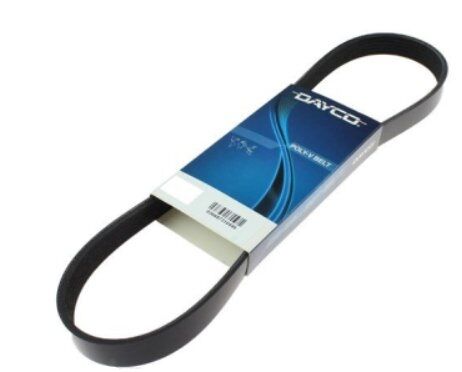
The POLYRIB BELT FITS LAND ROVER FREELANDER ES SE L314 L314 2000-2006 2-4 DOOR 2.5 LITRE V6 24V 6PK1558 is an essential engine accessory-drive component designed for compatible Land Rover Freelander vehicles. Manufactured for applications using a six-rib belt configuration, this polyrib belt helps transfer rotational power from the engine to the relevant belt-driven accessories. It plays an important role in supporting the operation of the vehicle’s auxiliary systems and maintaining dependable engine-bay performance.
Designed for the Land Rover Freelander ES and SE L314 equipped with the 2.5-litre V6 24-valve engine, this belt is identified by the part specification 6PK1558. Its multi-rib construction provides a contact surface intended to run along compatible grooved pulleys. Replacing a worn, stretched or damaged belt can help restore reliable power transmission and reduce the risk of unexpected accessory-drive problems.
Vehicle Compatibility
This polyrib belt is listed for the following vehicle application:
- Make: Land Rover
- Model: Freelander
- Variants: ES, SE
- Chassis: L314
- Model years: 2000-2006
- Body configuration: 2-4 door
- Engine capacity: 2.5 litre
- Engine configuration: V6
- Valve configuration: 24V
- Belt specification: 6PK1558
The vehicle details above provide a starting point for checking compatibility. Production changes, engine variations and accessory arrangements can affect the required belt specification. Always compare the existing belt and vehicle details before ordering.
Understanding the 6PK1558 Specification
The 6PK1558 designation identifies important characteristics of this belt. The number 6 indicates a six-rib profile, while PK describes the ribbed belt profile. The 1558 figure identifies the nominal belt length in millimetres according to the applicable belt specification.
These details matter because an accessory belt must match the pulley grooves and follow the correct routing path. A belt with the wrong rib count may not sit correctly on the pulleys, while an incorrect length can affect tension and operation. Selecting the correct specification helps support proper engagement and consistent power transfer throughout the accessory-drive system.
Before purchasing, compare the 6PK1558 specification with the original belt marking or a trusted parts catalogue for the exact vehicle configuration.
Function of the Polyrib Belt
A polyrib belt, also commonly known as a serpentine or multi-rib belt, transfers mechanical power from the engine crankshaft pulley to compatible auxiliary components. Depending on the vehicle’s equipment and belt routing, these components may include the alternator, power steering pump, air-conditioning compressor or other belt-driven accessories.
The belt’s ribs engage with matching grooves on the pulleys. This arrangement provides a broad contact area that helps transmit rotational force while maintaining a compact belt-drive layout. Correct belt tension and alignment are important for smooth operation.
On a Land Rover Freelander 2.5-litre V6, a correctly specified belt helps the accessory-drive system operate as intended. Because accessory layouts may vary, it is important to confirm the actual routing and equipment fitted to the vehicle before installation.
Construction and Performance Features
The 6PK1558 polyrib belt is intended for use in an automotive engine environment, where it must operate around pulleys while experiencing repeated bending, friction and temperature changes.
Its multi-rib profile is designed to provide several points of contact across compatible pulleys. This helps distribute the drive load along the belt surface. The flexible construction allows the belt to travel around the pulley system while maintaining engagement with the grooves.
A serviceable accessory belt should provide consistent contact without excessive slipping, cracking or visible damage. Regular inspection is useful because belts gradually deteriorate through normal operation. Replacing a belt when wear becomes evident can help reduce the likelihood of accessory-drive interruption.
Signs Your Belt May Need Replacement
Over time, heat, friction, contamination and repeated operation can affect the condition of a polyrib belt. Drivers and technicians should look for warning signs such as:
- Visible cracking: Small cracks across the ribs or outer surface can indicate material deterioration.
- Frayed edges: Damaged belt edges may suggest wear, pulley misalignment or contact with surrounding components.
- Missing rib sections: Damaged or missing ribs can reduce effective pulley contact.
- Squealing noises: A high-pitched sound from the engine bay may indicate slipping, incorrect tension or another accessory-drive problem.
- Glazing: A shiny or unusually smooth belt surface can be a sign of excessive friction or slipping.
- Accessory performance issues: Problems with belt-driven equipment may require inspection of the belt, pulleys, tensioner and associated components.
These symptoms do not always mean the belt itself is the only cause. Worn bearings, damaged pulleys, faulty tensioners and alignment problems can also contribute to accessory-drive noise or poor performance.
Benefits of Replacing a Worn Polyrib Belt
Installing a suitable replacement belt can help maintain dependable operation of the vehicle’s auxiliary drive system. A correctly matched six-rib belt provides the intended contact profile for compatible pulleys and supports consistent transmission of engine power.
Replacing a deteriorated belt can also reduce the risk of sudden belt failure. If the belt breaks or slips significantly, the accessories it drives may stop operating correctly. Depending on the vehicle configuration, this could affect charging, steering assistance or air-conditioning operation.
Choosing the correct belt specification is therefore an important part of routine vehicle maintenance. The 6PK1558 designation provides a useful reference when checking the replacement against the original equipment.
Installation Recommendations
The installation of a polyrib belt should be carried out by a suitably qualified mechanic or an experienced person familiar with the Freelander L314 accessory-drive system.
Before removing the old belt, inspect and record its routing. A routing diagram or manufacturer service information should be used to confirm the correct installation path. The belt must be fitted with all six ribs correctly seated in the corresponding pulley grooves.
During replacement, inspect the tensioner, idler pulleys and accessory pulleys for rough bearings, unusual movement, damage or misalignment. These components can affect belt life and may need attention if they are worn or defective.
After installation, check that the belt is properly seated and that the tensioning system operates as specified. Never force a belt onto a pulley or run the engine if the belt is incorrectly positioned.
Maintenance and Long-Term Care
Regular inspection can help identify belt deterioration before it develops into a more serious problem. Check the belt during scheduled servicing and whenever unusual noises are heard from the engine bay.
Keep the belt and pulley surfaces free from oil, coolant and other contaminants. Fluid leaks should be repaired because contamination can affect belt grip and material condition. If a replacement belt wears prematurely, investigate the cause rather than simply fitting another belt.
Correct alignment, suitable tension and serviceable pulleys all contribute to reliable accessory-belt operation.
Important Fitment Information
This product is listed for the Land Rover Freelander ES and SE L314, 2000-2006, with the 2.5-litre V6 24-valve engine. However, buyers should verify the exact vehicle year, engine, accessory configuration, original belt marking, rib count and required length before purchase.
The 6PK1558 specification should be checked against the existing belt or a reliable vehicle-specific parts reference. If the vehicle has been modified or has a different accessory arrangement, confirm the correct belt application before ordering.
Conclusion
The POLYRIB BELT 6PK1558 is a replacement accessory-drive belt listed for selected 2000-2006 Land Rover Freelander ES and SE L314 models fitted with the 2.5-litre V6 24-valve engine. Its six-rib profile and specified length are intended to provide compatibility with the matching pulley arrangement.
Replacing a worn belt with the correct specification helps maintain reliable accessory operation and supports routine engine maintenance. Confirming fitment and inspecting the complete belt-drive system during installation are important steps towards dependable performance. For owners and repairers maintaining a compatible Land Rover Freelander, this 6PK1558 polyrib belt is a practical replacement option when its specification matches the vehicle.


Reviews
There are no reviews yet.